Creative event themes are immersive frameworks that transform events into memorable, interactive experiences by engaging attendees emotionally and physically from the moment they arrive. The best themes go far beyond décor. They function as structured environments where every sensory detail, activity, and touchpoint serves a purpose. Corporate clients report a 25% higher post-event sentiment score when themes align directly with a brand's mission or product story. That number tells you everything about where the real value lives. Kingsixteen builds these kinds of experiences for brands like Porsche, Audi, and Ray-Ban because the difference between a forgettable event and an unforgettable one comes down to intentional design.
1. How gamification drives creative event theme success
Gamification is the single most effective tool for turning passive attendees into active participants. Scavenger hunts and live polls increase attendee participation rates by over 40% compared to passive presentation formats. That gap is too large to ignore when your event budget is on the line.
The most effective gamified themes use simple, frictionless mechanics. AR scavenger hunts, digital leaderboards, and live audience polling all work because they give attendees a reason to move, compete, and connect. The key is speed of entry. Top-performing activations have rules of play that attendees understand within 5–10 seconds, with no lengthy verbal instructions required.
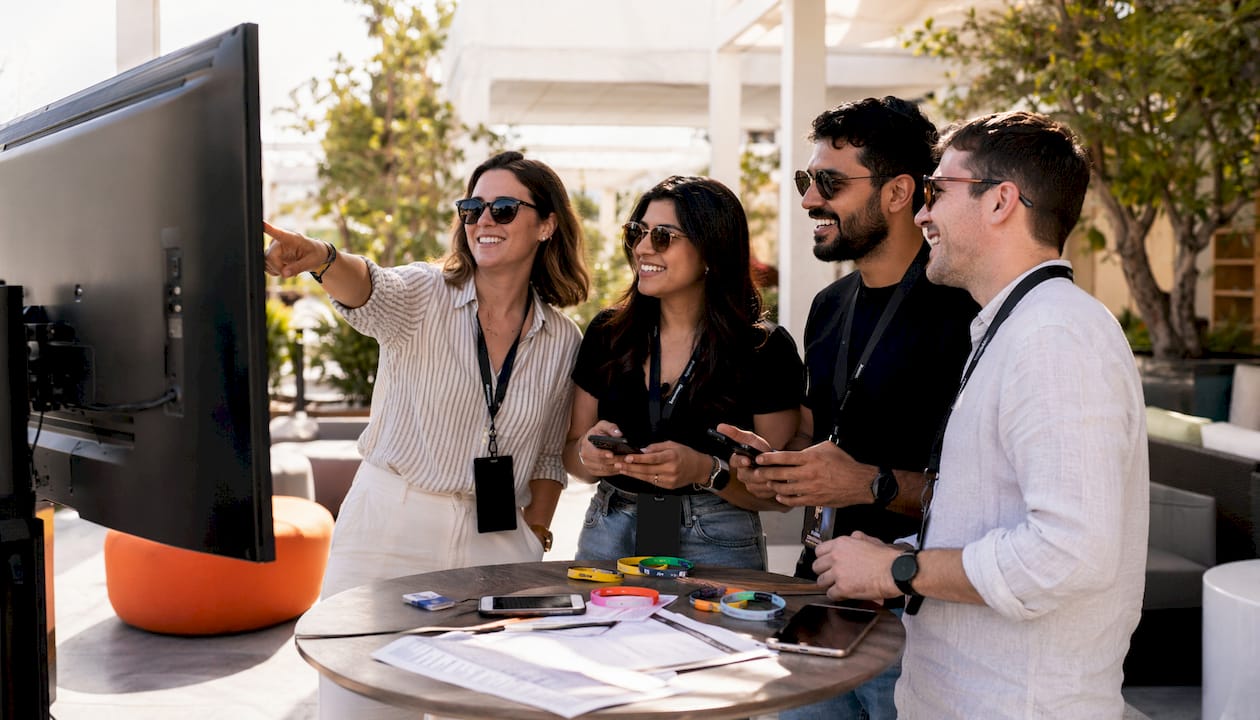
Gamification also feeds your data strategy. Every scan, vote, and leaderboard interaction generates a data point. When you connect those interactions to your brand narrative, the theme stops being entertainment and starts being a measurable funnel. That is the shift from a fun event to a productive one.
Here are the gamification formats that consistently perform:
- AR scavenger hunts: Attendees scan branded markers throughout the venue to unlock content or prizes
- Live polling stations: Real-time audience responses displayed on screens create instant social energy
- Digital leaderboards: Visible competition drives repeat participation throughout the event
- Team challenges: Group tasks tied to brand values build community and increase time on site
Pro Tip: Keep your gamification entry point to a single QR code or tap. Every additional step you add cuts participation. Design for the person who has never used your app before.
2. Immersive brand storytelling as the core of themed events
The strongest themed event ideas are built around a brand story, not a visual concept. A "Great Gatsby" aesthetic is a costume party. An immersive environment that walks attendees through a brand's founding story, product evolution, or mission is an experience. The difference shows up in post-event sentiment data and in what attendees remember six months later.
Mission-aligned environments use every physical element to reinforce a narrative. That means branded scent profiles at the entrance, directional audio focused in specific zones, and tactile product interactions that feel like discovery rather than a sales pitch. These details are not decorative. They are functional memory anchors.
Managing physical-to-digital friction is where most brands fail. VR walkthroughs lose attendees when setup takes longer than 60 seconds. Speed and ease outweigh technological novelty every time. If your immersive technology requires a staff member to explain it, simplify it.
"The most powerful event environments don't just show a brand. They make attendees feel what the brand stands for. That emotional transfer is what drives recall, advocacy, and purchase intent long after the event ends."
Practical elements that support immersive brand storytelling include:
- Branded scent profiles at entry points and key installations
- Directional audio zones that deliver targeted messaging without visual signage
- Tactile product testing stations designed as discovery moments
- Visual timelines or narrative arches built into the physical space
For planners building a product launch event, the theme should function as the product story made physical.
3. Balancing analog and digital for multigenerational appeal
Multigenerational flexibility is the leading strategy for event engagement in 2026. Themes that offer both analog and digital participation resonate across age groups without alienating any segment of your audience. A theme that only works on a smartphone excludes a meaningful portion of most corporate audiences.
Analog zones are physical, tech-free spaces where attendees can engage through writing, building, or creating. Journaling stations, collaborative art walls, and hands-on craft activities give attendees who experience digital fatigue a place to recharge and reconnect. Pair these zones with visible digital leaderboards nearby, and you create a natural bridge between the two modes without forcing anyone to choose.
The surprise element also matters here. Pop-up stations and mystery guests create moments of delight that work across demographics. A well-timed live performance, an unexpected product reveal, or a celebrity appearance generates the kind of organic social sharing that no paid media budget can replicate.
Formats that work across generations:
- Analog journaling stations: Branded notebooks and prompts encourage reflection and create a physical takeaway
- Collaborative art installations: Group murals or sculpture builds that grow throughout the event
- Digital leaderboards: Visible to everyone, accessible through multiple entry points
- Pop-up activations: Unannounced moments that reward attendees who stay engaged
For deeper thinking on engaging event attendees across demographics, the principle is consistent: give people options, not obligations.
4. Sensory design elements that make themes unforgettable
Sensory integration is the most underused tool in event design. Branded scent profiles and directional audio focused in a 3-foot radius increase average dwell time at installations by over 30% compared to visual-only displays. That is a significant return on what is often a modest production investment.
The mechanism is straightforward. Scent and sound bypass conscious filtering in a way that visual design cannot. When an attendee smells a specific fragrance at your booth and hears a curated audio environment, their brain encodes the experience differently than it would a banner or a brochure. The memory sticks.
Multi-sensory integrations like scent marketing and directional audio can extend engagement windows by 20–30%. That additional time translates directly into more conversations, more data capture, and more brand impressions per attendee.
Here is how to build sensory design into your theme:
- Define your scent profile early. Commission a branded fragrance that connects to your product category or brand values. Deploy it at entry points and key installations.
- Use directional audio, not ambient sound. Sound showers focus audio in a tight radius, creating an intimate experience without noise pollution across the venue.
- Add tactile product testing. Let attendees touch, hold, or use your product in a context that feels natural rather than transactional.
- Design for dwell, not just traffic. Place seating, charging stations, and interactive elements together to create zones where attendees want to stay.
- Reduce visual clutter. Sensory design works best when the visual environment is clean. Competing stimuli cancel each other out.
Pro Tip: Commission your scent profile at least 8 weeks before the event. Custom fragrance development takes time, and off-the-shelf options rarely align with a specific brand identity.
5. Choosing the right creative event theme for your goals
Theme selection starts with your event's primary objective, not your aesthetic preferences. A networking event needs a theme that creates natural conversation starters. A product launch needs a theme that puts the product at the center of every interaction. An educational conference needs a theme that reinforces learning without competing with the content.
Themes focused on data-capture goals yield better ROI than themes chosen mainly for aesthetics. Every creative element should serve a measurable function. If you cannot explain how a theme element contributes to your event goals, cut it.
Scale also determines your options. A small workshop of 50 people can support an intimate, high-touch theme like a curated tasting experience or a collaborative design sprint. A 500-person conference needs a theme with multiple simultaneous engagement modes, clear wayfinding, and enough variety to hold attention across a full day. The event environment itself becomes a communication tool at that scale.
| Theme type | Engagement level | Best use case |
|---|---|---|
| AR scavenger hunt | High | Product launches, trade shows |
| Analog creative zones | Medium | Conferences, workshops |
| Silent disco | High | Networking events, brand parties |
| Immersive brand story | High | Product reveals, VIP experiences |
| Collaborative art installation | Medium | Corporate culture events |
| Sensory tasting experience | Medium | Food, beverage, or lifestyle brands |
Audience demographics shape the execution. A younger audience skews toward digital-first gamification. A senior executive audience responds better to curated, high-touch experiences with clear narrative. Matching the theme to the room is as important as the theme itself.
Key takeaways
The most effective creative event themes combine immersive brand storytelling, frictionless gamification, and sensory design to drive measurable participation and post-event sentiment.
| Point | Details |
|---|---|
| Gamification drives participation | Scavenger hunts and live polls increase participation by over 40% versus passive formats. |
| Brand alignment lifts sentiment | Themes tied to brand mission produce 25% higher post-event sentiment scores. |
| Sensory design extends dwell time | Branded scent and directional audio increase dwell time by 20–30% at key installations. |
| Multigenerational design matters | Offering both analog and digital participation modes engages every demographic effectively. |
| Data goals beat aesthetics | Themes built around data-capture objectives consistently outperform aesthetics-only concepts on ROI. |
What I've learned about themes that actually work
Most event planners I talk to start with a mood board. That is the wrong starting point. A mood board tells you what the event will look like. It tells you nothing about what attendees will do, feel, or remember.
The shift I have seen in the best events over the past few years is a move toward experience architecture. Planners are asking "what do I want attendees to do at minute 20?" before they ask "what color palette should we use?" That sequence change produces fundamentally different outcomes.
The other thing I have noticed is that simplicity wins every time. The most technically impressive activations I have seen fail because attendees could not figure out how to participate quickly. The ones that succeed are often the simplest. A single QR code. A clear prompt. An obvious reward. Frictionless participation is not a nice-to-have. It is the difference between a 10% participation rate and a 60% one.
My honest advice: pick one sensory element, one gamification mechanic, and one brand narrative thread. Execute all three exceptionally well. That combination will outperform a theme that tries to do everything and delivers nothing with real depth.
— Tyler
How Kingsixteen brings your event theme to life
Kingsixteen designs and executes immersive brand experiences for clients who need results, not just a good-looking event.
From full-scale experiential marketing campaigns to custom fabrication and live event production, Kingsixteen handles every element of your theme from concept through execution. The team has built immersive environments for Porsche, Audi, Ray-Ban, and Churchill Downs, each one designed to drive measurable engagement and brand recall. If you are planning a private event or a large-scale brand activation, Kingsixteen's turnkey model means one point of contact, zero gaps in execution, and a theme that works as hard as your brand does.
FAQ
What makes a creative event theme effective?
An effective theme combines a clear brand narrative with frictionless participation mechanics and at least one sensory element. Themes tied to a brand's mission produce 25% higher post-event sentiment than generic aesthetic concepts.
How do I choose the right theme for my event size?
Match the theme's complexity to your headcount and objectives. Small workshops support intimate, high-touch themes, while large conferences need multiple simultaneous engagement modes and clear wayfinding built into the design.
What role does gamification play in themed events?
Gamification converts passive attendees into active participants. Scavenger hunts and live polls increase participation rates by over 40% compared to standard presentation formats, and every interaction generates trackable data.
How can sensory design improve event engagement?
Branded scent profiles and directional audio increase dwell time at installations by over 30% compared to visual-only displays. Sensory elements create stronger memory imprints because they bypass the conscious filtering that visual design cannot avoid.
How do I engage a multigenerational audience with one theme?
Offer both analog and digital participation modes within the same theme. Journaling stations and collaborative art installations serve attendees who prefer tactile experiences, while digital leaderboards and AR activations engage those who prefer technology-driven interaction.