A branded environment is defined as a physical space where every material, surface, sound, and spatial sequence is deliberately engineered to express a brand's identity and values. Unlike a logo on a wall or a branded banner at a trade show, a true branded environment creates an immersive multi-sensory experience that permeates the entire space. Think Apple's flagship stores, the Porsche Experience Center in Atlanta, or a Ray-Ban pop-up activation where every detail from the lighting temperature to the floor texture communicates brand character. When you understand how to design branded environments at this level, you stop decorating spaces and start building strategic brand assets that generate measurable engagement, loyalty, and reach.
What essential elements must be included when designing a branded environment?
Effective branded environment design starts with a clear inventory of the components that work together to create a coherent spatial narrative. Miss one layer and the experience feels incomplete. Get them all working in concert and the space becomes something people photograph, share, and remember.
The core building blocks of any well-executed branded space include:
- Visual identity elements. Color palettes, typography, imagery, and brand messaging applied to walls, floors, ceilings, and fixtures. These are the most visible layer but should never be the only one.
- Architectural cues and spatial structure. Ceiling heights, material transitions, and threshold moments that signal a shift in experience. A lower ceiling in an intimate product display zone communicates something entirely different from a soaring atrium at entry.
- Material choices and tactile surfaces. Brushed metal, warm timber, polished concrete, and woven textiles each carry emotional weight. Complementary material palettes enhance perceived quality and emotional resonance far more effectively than color alone.
- Ambient soundscapes. Curated playlists or original audio compositions set pace and mood. Porsche Experience Centers use engine acoustics as part of their ambient design. That is not an accident.
- Lighting design. Layered lighting that shifts from task to accent to ambient controls where attention goes and how premium the space feels.
- Scent profiles. Olfactory branding is underused and extraordinarily powerful. Singapore Airlines has a patented cabin scent called Stefan Floridian Waters. You can apply the same logic to a retail flagship or event activation.
- Technology integration. Digital displays, interactive installations, and AR elements that add depth without overwhelming the physical experience.
Pro Tip: Before specifying a single material or fixture, write a one-page sensory brief that describes what the space should feel like, sound like, and smell like. This brief becomes the filter for every design decision that follows.
How to translate digital brand identity into physical brand spaces
The most common failure in creating brand spaces is treating the process as a copy-paste exercise. You cannot take your brand's hex codes, drop them into a paint specification, and call it done. Digital colors rarely translate accurately to physical materials because RGB light and pigment behave completely differently, and the ambient light conditions of any given space shift the perceived color further still.
The professional term for getting this right is semiotic translation: interpreting digital brand assets into physical equivalents that preserve the brand's meaning and emotional register rather than its literal appearance. Here is a practical process for executing it:
- Audit your digital brand assets. Catalog your primary and secondary color palettes, typography, imagery style, and the emotional attributes your brand guidelines describe. Words like "precision," "warmth," or "boldness" are your translation targets.
- Build a material mood board. Map each emotional attribute to a material category. "Precision" might translate to machined aluminum and tight joinery tolerances. "Warmth" might become oiled oak and woven linen.
- Create Experiential Brand Guidelines. This document acts as the Rosetta Stone for architects and interior designers, bridging marketing intent with spatial execution. It specifies material palettes, lighting temperatures, acoustic targets, and spatial proportions that express the brand correctly.
- Test under real lighting conditions. Commission physical material samples and evaluate them in the actual space or a representative mock-up under the planned lighting scheme before finalizing specifications.
- Calibrate, not replicate. Your brand's navy blue may need to shift two shades warmer in a space with warm tungsten lighting to read as the correct emotional tone. That recalibration is not a compromise. It is the craft.
"Viewing interior designers as the primary brand experience leads often causes misaligned branded environments. The solution is a Rosetta Stone document that unites brand and architectural elements." — Atin Studio
Maintaining omnichannel consistency does not mean your physical space looks identical to your website. It means a customer who knows your brand digitally walks into your physical space and immediately feels the same brand character. That recognition is the goal.
What are best practices for spatial flow and multi-sensory engagement?
Spatial flow is the architectural equivalent of UX wireframing. Every entry point, circulation path, focal moment, and exit sequence shapes how visitors experience your brand story. Poorly designed flow produces confusion, missed content, and shortened dwell time. Well-designed flow guides visitors intuitively through a narrative arc that builds emotional engagement at each stage.
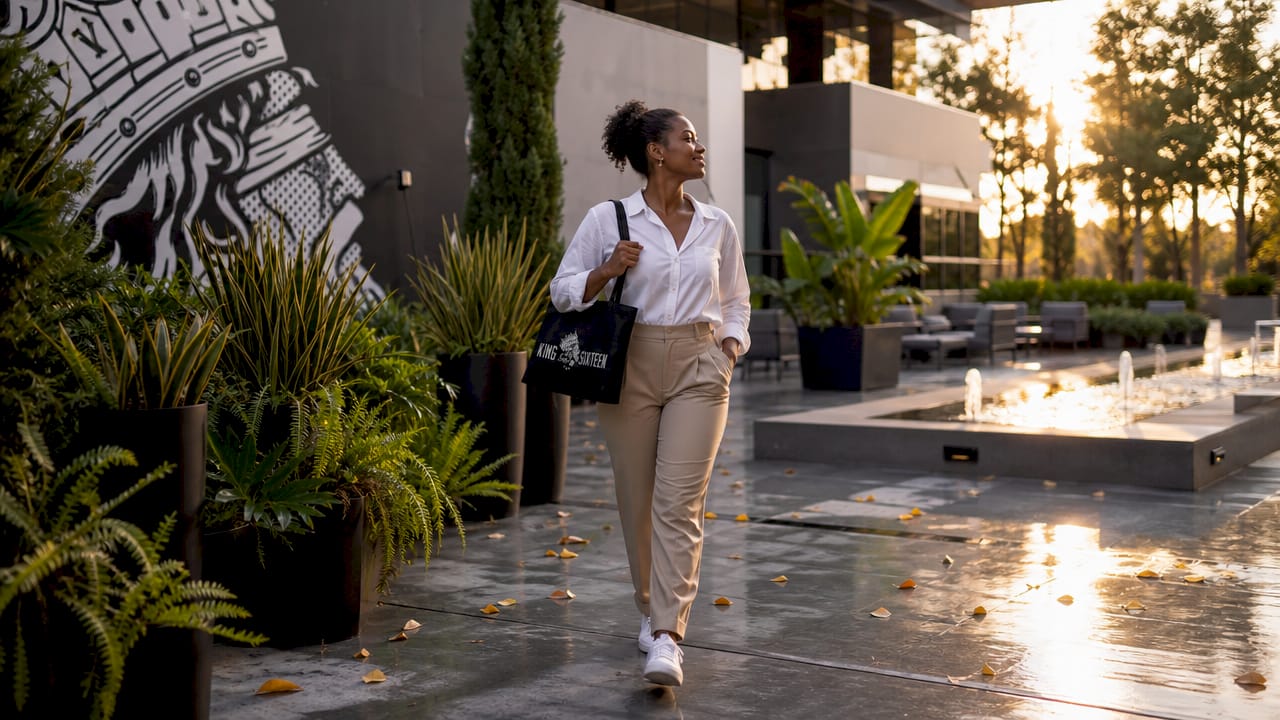
The best branded environments treat circulation as a deliberate storytelling tool. Apple Stores place the Genius Bar at the back of the space, requiring customers to walk through the full product range to reach it. That is not accidental retail planning. It is a choreographed brand journey.
Practical best practices for spatial flow and multi-sensory brand engagement include:
- Design a clear arrival moment. The first five seconds in a space set the emotional tone. Use a threshold transition, a signature scent, or a focal installation to signal that something intentional is happening here.
- Create moments of discovery. Avoid revealing everything at once. Stagger product displays, content zones, and interactive elements so visitors are rewarded for exploring deeper into the space.
- Layer your sensory inputs. Engaging the entire human sensorium through ambient sound, tactile surfaces, and lighting strengthens emotional brand connections in ways that purely visual design cannot achieve.
- Use lighting to direct attention. Accent lighting on key products or installations draws the eye without signage. It is the spatial equivalent of bold typography.
- Design for adaptability. The best branded environments serve multiple configurations: a product launch one week, a media preview the next, a consumer activation the week after. Build flexibility into the spatial plan from the start.
- Balance technology with physicality. Digital screens and interactive installations add engagement, but they should amplify the physical experience, not replace it. A space that feels like a tech demo rather than a brand world has lost the plot.
Pro Tip: Walk the space yourself before any guests arrive and time how long it takes to reach each key moment. If you can see the exit from the entrance, the journey is too short. If you feel lost after 60 seconds, the flow needs rethinking.
How to measure success and avoid common mistakes
Measuring the impact of a branded environment requires a framework that goes beyond social media impressions. Success metrics span four dimensions: daily operational function, audience response and engagement, brand authenticity as perceived by visitors, and organic word-of-mouth amplification. Each dimension tells a different part of the story.
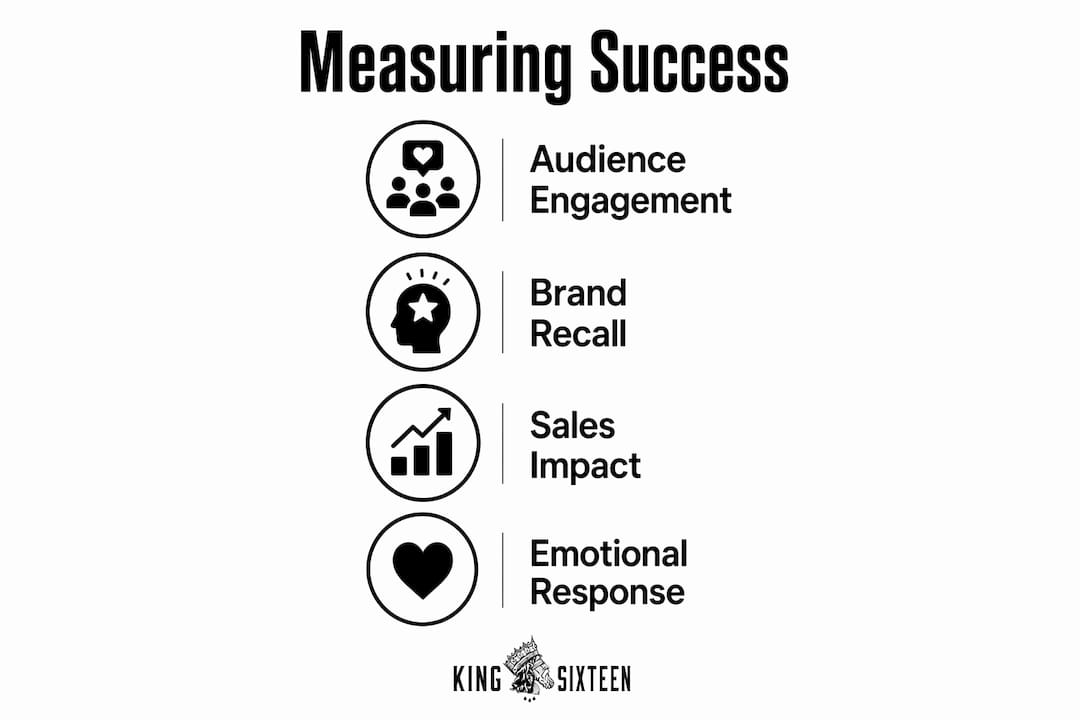
| Metric category | What to measure |
|---|---|
| Audience engagement | Dwell time per zone, interaction rates with installations, repeat visits |
| Brand recall | Post-visit surveys measuring unaided brand attribute recall |
| Digital amplification | User-generated content volume, social reach, media coverage generated |
| Operational efficiency | Staff feedback, wayfinding clarity, flow bottlenecks identified |
A 50,000-square-foot branded facility reveal video generated 4.7 million views within its first week. That figure demonstrates that a well-executed physical space does not just serve the people inside it. It creates content that extends brand reach to audiences who will never visit in person.
The most common mistakes to avoid follow a predictable pattern:
- Overusing logos and visual noise. A branded environment should feel cohesive and intentional, not like a giant trade show booth. When every surface carries a logo, nothing carries meaning.
- Treating physical space as decoration. A space that looks branded but does not function as a brand experience is a missed opportunity. Every design decision should serve a strategic purpose.
- Siloing marketing from design. Strong branded environments require collaboration between marketing, design, and architecture teams. When these disciplines work in separate lanes, the result is a space that looks designed but does not feel branded.
- Skipping post-launch iteration. No branded environment is perfect at launch. Build in a 90-day review cycle to assess flow, engagement data, and visitor feedback, then refine accordingly.
For practical guidance on branding event spaces effectively, the principles of spatial storytelling and sensory layering apply whether you are designing a permanent flagship or a temporary activation.
Key takeaways
Designing branded environments requires semiotic translation of digital assets into physical materials, spatial flow engineered as a brand narrative, and multi-sensory engagement that creates emotional resonance beyond what visual branding alone can achieve.
| Point | Details |
|---|---|
| Semiotic translation is non-negotiable | Translate digital brand assets into physical materials and textures rather than replicating hex codes directly. |
| Experiential Brand Guidelines are the foundation | Create a single document that bridges marketing intent and architectural execution for every project. |
| Spatial flow is your brand narrative | Design circulation paths deliberately to guide visitors through a sequenced emotional journey. |
| Multi-sensory layers build perceived value | Combine sound, scent, lighting, and tactile surfaces to create engagement that purely visual design cannot match. |
| Measure across four dimensions | Track dwell time, brand recall, digital amplification, and operational efficiency to evaluate true impact. |
Why branded environments are the most underused asset in your marketing mix
After working across activations for brands like Porsche, Audi, and the Natural Diamonds Council, the pattern I see most often is this: marketing teams invest heavily in digital campaigns and then treat the physical space as a last-minute production task. The brief arrives late, the budget is compressed, and the result is a space that looks fine in photos but does not actually feel like the brand.
The shift that changes everything is treating the physical environment as a strategic brand asset from the start of the planning process, not a backdrop for content capture. The brands that get this right, think Aesop's retail stores or the Porsche Experience Center in Carson, California, build spaces where every material choice, every lighting decision, and every circulation path is a deliberate expression of brand values. Those spaces generate organic media, deepen customer loyalty, and create competitive differentiation that no digital campaign can replicate.
The other thing I would push back on is the assumption that immersive environments require enormous budgets. The principles of semiotic translation, sensory layering, and spatial storytelling apply at every scale. A 500-square-foot pop-up activation can be as emotionally resonant as a 50,000-square-foot flagship if the design thinking is rigorous. What it requires is cross-disciplinary collaboration between your marketing leads, your spatial designers, and your fabrication team, all working from the same Experiential Brand Guidelines document.
The brands that will own physical space in the next five years are the ones investing in that rigor now. The environmental branding strategies that drive the most impact are not the most expensive ones. They are the most intentional ones.
— Tyler
Build your branded environment with King Sixteen
King Sixteen designs and builds physical brand environments for established brands that need things executed correctly, at speed, and without margin for error. From concept and spatial design through custom fabrication, AV integration, and full event production, we handle every layer of the process through a trusted vendor network built over years of work with brands like Porsche, Ray-Ban, Fossil, and Churchill Downs. If you are ready to transform your brand identity into a physical space that generates real engagement and lasting recall, explore our experiential marketing services and start the conversation. We will help you build something worth experiencing.
FAQ
What is a branded environment?
A branded environment is a physical space where architecture, materials, lighting, sound, and sensory elements are deliberately designed to express a brand's identity and values. It differs from environmental graphics, which focus on signage and wayfinding, by creating an immersive experience that permeates the entire space.
How do you translate digital brand colors into physical spaces?
Direct replication of digital hex codes into paint or material specifications almost always fails because RGB light and physical pigments behave differently under real lighting conditions. The correct approach is semiotic translation: mapping brand emotional attributes to material palettes and calibrating colors under the actual lighting conditions of the space.
What metrics should you use to measure a branded environment's success?
Effective measurement covers four dimensions: audience engagement metrics like dwell time and interaction rates, brand recall measured through post-visit surveys, digital amplification through user-generated content and media coverage, and operational efficiency assessed through staff feedback and flow analysis.
How important is spatial flow in branded environment design?
Spatial flow is the architectural equivalent of a UX wireframe and directly determines how visitors experience the brand narrative. Poorly planned circulation produces confusion and shortened dwell time, while deliberate flow guides visitors through a sequenced emotional journey that builds brand connection at each stage.
What is the most common mistake in designing branded spaces?
Overusing logos and visual noise is the most frequently cited error. A space plastered with brand marks feels like a trade show booth rather than a brand world. The most effective branded environments communicate identity through material choices, spatial proportions, and sensory details rather than repeated logo placement.